Research from Norfolk, UK
Last updated: April 2026
AI Beyond the Screen
The smart speakers in our homes and the screens in our cars are about to get a new brain. Here is what changes when they do.
The smart speakers in our homes and the screens in our cars are about to get a new brain. Here is what changes when they do.
500M
smart speakers globally
40%
of UK homes have one
75%
of new cars have voice AI
240M
active in-car voice users
The opportunity
There are over half a billion smart speakers in homes around the world. Voice assistants are built into three quarters of every new car sold. Smart displays sit on kitchen counters. Watches listen for commands. The hardware for ambient computing is not coming. It is already here, in staggering numbers, plugged in and powered on.
What is missing is the brain. The voice assistants that run on these devices, Alexa, Siri, Google Assistant, were built on technology that is now a generation old. They parse commands. They match keywords. They fail constantly at anything that requires reasoning, memory, or genuine understanding. Meanwhile, large language models have leapfrogged past them entirely. ChatGPT can hold a nuanced 20-minute conversation about your finances. Alexa still asks you to repeat yourself when you want to set a timer.
I have a Google Home display in my kitchen that can barely tell me the weather without getting confused. In my car, Apple CarPlay works, but the voice activation compared to how I talk to AI today is like comparing a calculator to a computer. Every day I use AI tools that understand context, remember what I said five minutes ago, and reason through ambiguity. Then I walk into my kitchen and shout "Hey Google" three times before it acknowledges me. The gap is absurd, and it is about to close.
2026 is the year it closes. Amazon has launched Alexa+, powered by an LLM, as a paid upgrade. Google is shipping Gemini across Nest devices. BMW, Hyundai, General Motors, and Tesla are all deploying LLM-powered assistants into their vehicles this year. Apple's Siri overhaul has been delayed, but even that delay tells you something: every major manufacturer agrees on the destination. They are all racing to plug the new AI brain into the hardware that is already sitting in your living room and your car. The question is not whether ambient AI happens. It is who gets there first, and what the world looks like when they do.
The research
We have broken the research into three focused reports, one for each physical space where ambient AI is reshaping the interface, plus a fourth on what it does to the economics of the web.
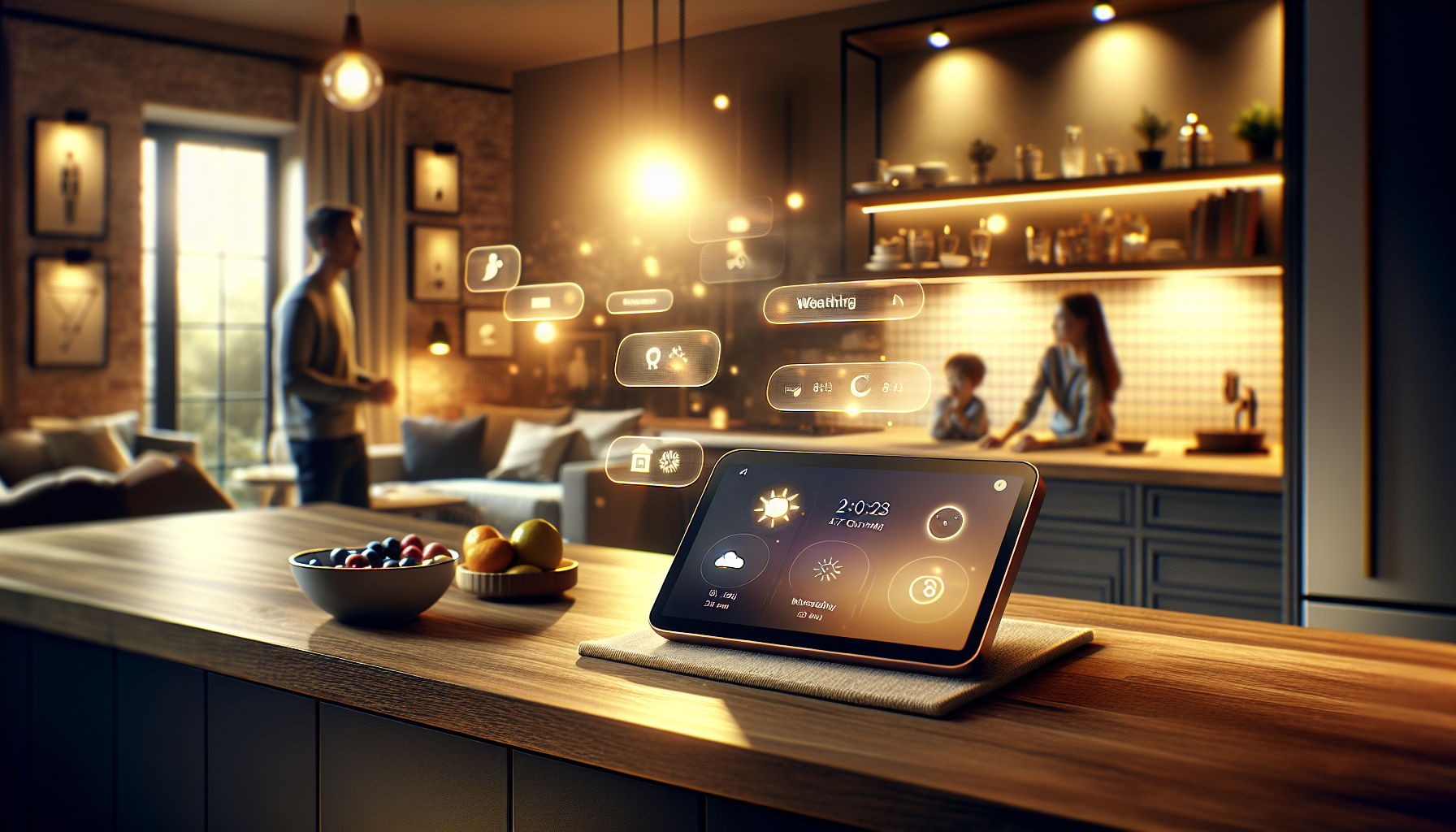
Smart speakers, displays, Alexa+, Gemini on Nest, the proactive kitchen assistant that knows you are out of milk.
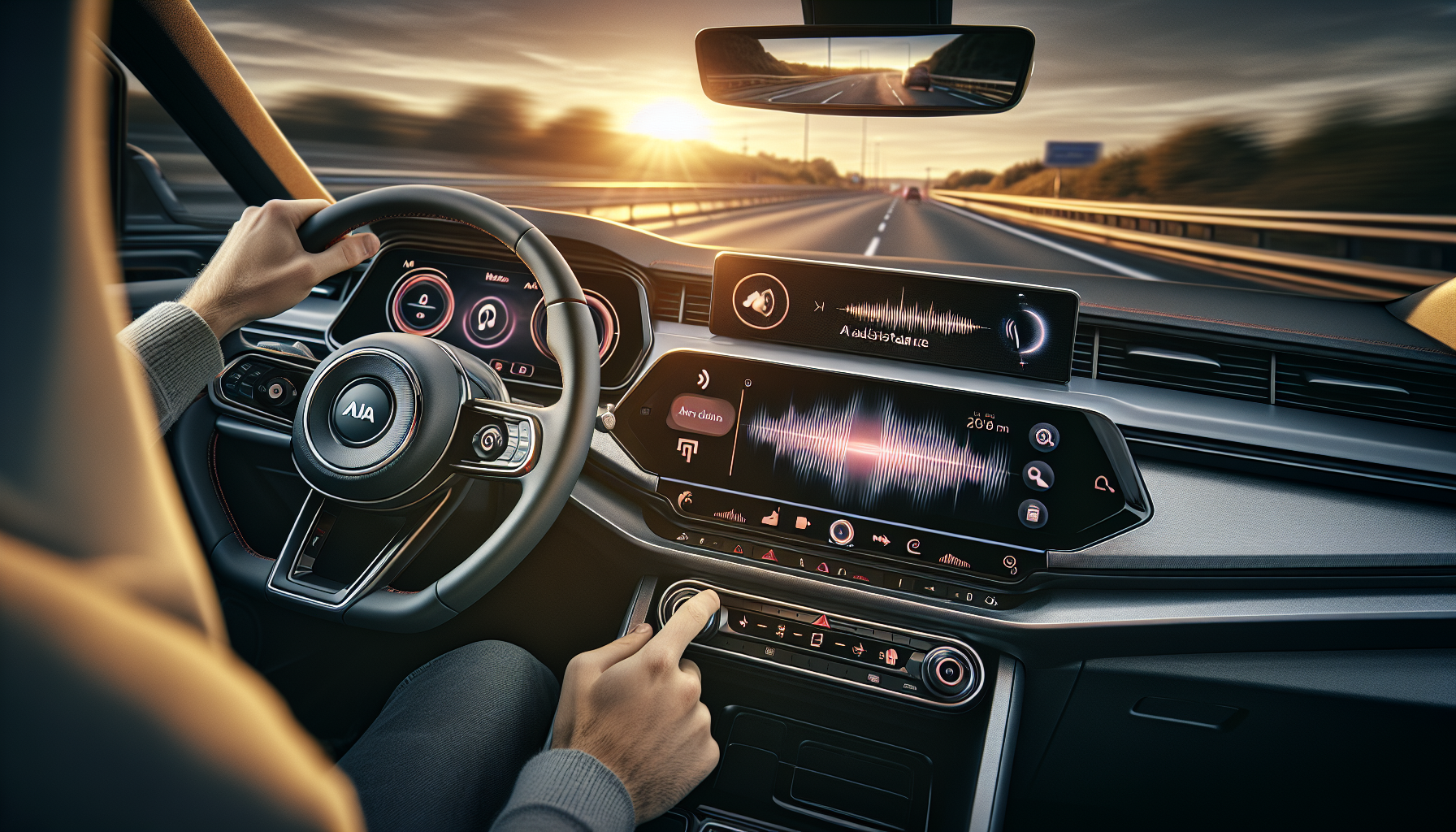
In-car AI, the morning briefing, Mercedes+ChatGPT, BMW+Alexa, and why Chinese manufacturers are two years ahead.

The convergence of home, car, office, and wearable into seamless ambient intelligence. Who wins, what gets built, and when.

Part 4 / The consequence
Stack Overflow went from 200,000 questions a month to a few hundred. If people stop publishing for humans, how does AI find out which products are any good? The five places product truth comes from next, and why reviews may stop being written and start being overheard.
Key findings
Large language models score 85-90% on general knowledge and reasoning benchmarks. Alexa scores around 60%. Siri is closer to 55%. But accuracy alone does not capture the difference. Ask ChatGPT to help you plan a dinner party for eight people with dietary restrictions and a budget, and it will have an intelligent conversation with you about it. Ask Alexa the same thing and it will read you a search result. The conversation quality, the ability to hold context, reason through trade-offs, and ask clarifying questions, is what separates the current generation of voice assistants from what LLMs make possible. It is not an incremental improvement. It is a different category.
This is not a "when the hardware is ready" story. The hardware has been shipping for nearly a decade. Over 500 million smart speakers have been sold worldwide. 40% of UK homes have at least one. Voice AI is built into 75% of new cars, with 240 million people actively using in-car voice assistants. Billions of phones and watches have voice capabilities. The infrastructure for ambient computing already exists at massive scale. What is missing is software that makes it genuinely useful. That software is now here, it just has not been deployed to the devices yet. This is a software upgrade, not a hardware rollout, which is why the timeline is compressed.
The number of LLM-to-device integrations shipping this year is unprecedented. Amazon launched Alexa+ in the US in March 2026 with UK availability expected by mid-year. Google is rolling Gemini into Nest speakers and displays. In the automotive space, BMW is deploying Alexa+ in new models from H2 2026. Hyundai is launching Pleos, its own in-car AI, this year. General Motors is integrating Gemini across its fleet. Tesla shipped Grok to US vehicles and Europe is expected in 2026. NIO is upgrading its already-advanced NOMI assistant. This is not a future prediction. These are products on published roadmaps with delivery dates in the next twelve months.
Ambient AI works best when it knows you. It needs to listen continuously to respond proactively. It needs your calendar, your routines, your preferences, your conversations. The more context it has, the more useful it becomes. But around 60% of consumers are concerned about always-on listening in their homes, and car data collection has already faced regulatory scrutiny. The market is likely to bifurcate: Apple will position as the privacy-premium choice, processing as much as possible on-device and charging accordingly. Amazon and Google will lean into cloud-powered capability, offering more powerful features in exchange for more data. Neither approach is wrong. But the tension between ambient awareness and personal privacy will define the next five years of this market.
Landscape
A snapshot of the major ambient AI deployments shipping in 2026, across home, car, and wearable categories.
| Platform | Category | Status | Notes |
|---|---|---|---|
| Amazon Alexa+ | Home | Live (US) | $19.99/mo. LLM-powered. UK expected mid-2026. |
| Google Gemini on Nest | Home | Shipping | Replacing Google Assistant. Rolling rollout across Nest devices. |
| Apple Siri (LLM overhaul) | Home / Mobile | Delayed | On-device processing focus. Full rollout pushed back. |
| Mercedes MBUX + ChatGPT | Car | Live | Available in 3M+ vehicles. Voice-activated ChatGPT integration. |
| BMW + Alexa+ | Car | H2 2026 | LLM-powered in-cabin assistant across new models. |
| VW IDA + ChatGPT | Car | Live | ChatGPT integrated into IDA voice assistant. Shipped 2024. |
| Tesla Grok | Car | Live (US) | Shipped US. EU rollout expected 2026. |
| Meta Ray-Ban Smart Glasses | Wearable | Live | 1M+ units sold. Meta AI built in. Camera + audio interface. |
What we build
We build the software layer that makes ambient hardware genuinely intelligent. From custom voice experiences to multi-device orchestration.
Conversational AI interfaces built on LLMs that go far beyond command-and-response. Real-time voice with memory, personality, and domain expertise. We have built these for healthcare, hospitality, and professional services.
Connecting AI to the physical environment. IoT device orchestration, sensor data interpretation, and proactive automation that responds to what is happening in a room, building, or vehicle without being asked.
A single AI brain that follows you from your kitchen speaker to your car to your office. Shared context, continuous conversation, and seamless handoff between devices and environments.
The protocols and plumbing that let AI agents discover, communicate with, and act on behalf of your business. MCP servers, A2A endpoints, and the agentic web stack that makes your product AI-native from day one.
Whether you are exploring voice experiences, smart space integration, or just want to understand the landscape, we would like to hear from you. No pitch, just a conversation.
FAQ
Ambient AI refers to artificial intelligence that is embedded in the physical environment around you, in speakers, screens, cars, glasses, and other everyday objects, rather than confined to a phone or laptop screen. It listens, understands context, and responds proactively without you needing to open an app or type a query. The goal is AI that is always available but never intrusive. Think of it as the difference between searching Google on your phone and simply asking a question out loud in your kitchen and getting a thoughtful, personalised answer.
2026 is the inflection year. Amazon launched Alexa+ in the US in early 2026 with UK rollout expected mid-year. Google is shipping Gemini to Nest devices. BMW, Hyundai, GM, and Tesla are all deploying LLM-powered voice assistants into vehicles this year. The hardware is already in hundreds of millions of homes and cars. The software upgrade is happening now. By 2028, the majority of new smart speakers and cars sold will have LLM-powered assistants as standard.
No single platform has won yet, and the race is far from settled. Amazon has the largest installed base (over 500 million Echo devices) but Alexa+ is a paid upgrade at $19.99 per month, which limits adoption. Google has the strongest underlying AI with Gemini and is integrating it across Nest and Android Automotive. Apple has the deepest trust on privacy but its Siri LLM overhaul has been delayed. In cars, Chinese manufacturers like NIO and XPeng are arguably two years ahead of Western competitors. The winner will likely be determined by execution speed in 2026-2027, not by who has the best technology on paper.
Privacy is the central tension of ambient AI. For the technology to work well, it needs to listen continuously and understand context, which means processing personal data in your home and car. Around 60% of consumers express concern about always-on listening. The market is likely to split: Apple will position as privacy-premium with on-device processing, while Amazon and Google will use cloud processing for more powerful features. Neither approach is inherently right. The best systems will give users clear control over what is processed, where, and who has access.
It depends on the scope. A custom voice skill or action for Alexa or Google Home starts around GBP 3,000. A full conversational voice experience with LLM integration, memory, and domain expertise is typically GBP 8,000 to GBP 25,000. Multi-device orchestration systems that work across home, car, and mobile are larger engagements at GBP 20,000 to GBP 50,000. Ongoing AI infrastructure and maintenance runs GBP 1,500 to GBP 3,000 per month. We scope every project individually and will give you an accurate number, not a hedge.
Because the interface is moving. For 15 years, digital products meant screens: websites, apps, dashboards. The next wave of products will live in the physical spaces where people spend their time, kitchens, cars, offices, and on devices they already own. Businesses that build for voice, context, and ambient interaction now will have a significant first-mover advantage. We publish this research because we are actively building in this space, and we believe the companies that understand the shift earliest will be the ones that benefit most. This is not academic interest. It is where the work is going.